Source Oil Pressure Sensor for Industrial, Auto, and Hydraulic Systems
Compare 30 verified oil pressure sensor options from Chinese manufacturers. Buyers can evaluate specifications like measuring range, accuracy, and connection types for industrial, automotive, and hydraulic applications to ensure precise monitoring and reliable performance across diverse operational environments; compare the available evidence and request quotations based on your requirements.
Key considerations
Products List


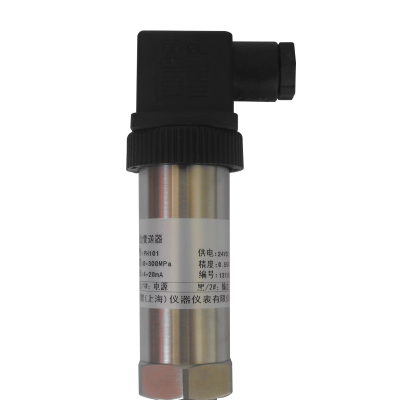


Comprehensive Sourcing Guide
Oil Pressure Sensor Sourcing Guide
Sourcing oil pressure sensors requires a disciplined approach to technical alignment and supplier verification, particularly when dealing with industrial or automotive applications. Buyers must first distinguish between the diverse product types available, such as retro-reflective electronic sensors, diffused silicon pressure transmitters, and specific automotive units like those for Honda vehicles. The observed market includes items ranging from general control switches to specialized limit gauges, indicating a broad spectrum of capabilities among suppliers. Understanding these distinctions is critical before initiating any procurement process, as the functional requirements for an industrial control switch differ significantly from those of an automobile sensor.
Procurement teams should also evaluate the customization options and material compositions offered by potential vendors. Many suppliers provide customizable solutions, including specific contact types like Type C and explosion-proof flameproof structures, which are essential for hazardous industrial environments. Materials such as aluminum alloy and stainless steel are commonly cited, each offering distinct advantages regarding durability and corrosion resistance. Buyers must align these material choices with their operational conditions, ensuring that the sensor can withstand the intended measuring range, which may extend up to 60 MPa, while maintaining the required precision and structural integrity over time.
Product Scope and Observed Listing Signals
The current market landscape for oil pressure sensors reveals a wide variety of product configurations and specifications. Listings indicate the presence of electronic sensors with specific output voltages, such as 0.5-4.5VDC, and supply voltages around 5VDC. These technical details suggest that buyers are dealing with sensitive electronic components that require precise power management. Additionally, the presence of products labeled with specific models like PT401 or C4931169 highlights the importance of verifying exact part numbers to ensure compatibility with existing systems. This diversity underscores the need for careful scrutiny of product descriptions to avoid mismatches in voltage requirements or physical dimensions.
Furthermore, the observed listings show variations in packaging and origin, with many products originating from Changzhou City, China. Packaging methods range from standard cartons to customized solutions, reflecting the flexibility of suppliers in meeting logistical needs. Some products are described as new and 100% tested, which provides a baseline assurance of quality, but buyers should not rely solely on these claims. The presence of OEM availability and neutral packing options suggests that many suppliers are equipped to handle private label or bulk industrial orders. Understanding these signals helps buyers gauge the supplier’s capacity for customization and their readiness to support large-scale procurement initiatives.
Technical Specifications to Verify
When evaluating oil pressure sensors, buyers must prioritize the verification of key technical parameters to ensure operational reliability. The measuring range is a critical specification, with observed values extending from 0.1 to 60 MPa, indicating that sensors are available for both low and high-pressure applications. Measurement accuracy is another vital factor, with typical tolerances of 0.3% or 0.5% being common in the market. Buyers should confirm that the selected sensor meets the precision requirements of their specific application, as even minor deviations can lead to significant operational errors or safety hazards in critical systems.
In addition to pressure metrics, electrical characteristics such as working current and output voltage must be carefully reviewed. Sensors with a working current of less than 10mA and an output voltage range of 0.5-4.5VDC are suitable for systems with strict power constraints. It is also essential to verify the connection types, which may include wire, thread, copper pipe, plug, or capillary tube, to ensure physical compatibility with the installation site. Over-pressure protection ratings, such as 16VDC, provide an additional layer of safety, and buyers should ensure that these protective features align with the maximum expected pressures in their operational environment to prevent sensor failure.
Compliance and Safety Documentation
Compliance with international standards is a fundamental requirement for sourcing oil pressure sensors, particularly in industrial and automotive sectors. The ISO certification is a common benchmark observed in the market, indicating that suppliers adhere to recognized quality management principles. Buyers should request valid ISO certificates and verify their authenticity to ensure that the supplier maintains consistent quality control processes. Additionally, specific product standards, such as the K series, may apply to certain sensor models, and buyers must confirm that these standards are relevant to their industry’s regulatory requirements.
Safety documentation is equally important, especially for sensors used in potentially hazardous environments. The presence of explosion-proof flameproof types suggests that some suppliers offer solutions for areas with explosive atmospheres. Buyers should inquire about the specific explosion-proof ratings and certifications, such as ATEX or IECEx, if applicable to their region. Furthermore, warranty terms, such as the 12-month warranty observed in some listings, provide a safety net for procurement, but buyers should clarify the scope of coverage and the process for claims. Ensuring that all safety and compliance documents are up-to-date and verifiable is crucial for mitigating risk and ensuring long-term operational safety.
Cost Drivers and Commercial Terms
The cost of oil pressure sensors is influenced by several factors, including material composition, customization level, and order volume. Sensors made from stainless steel or aluminum alloy may have different price points based on material costs and manufacturing complexity. Customization options, such as specific models or packaging, can also impact the final price, as they require additional production steps. Buyers should request detailed quotations that break down these costs to understand the value proposition and identify any hidden fees. Understanding these drivers helps in negotiating better terms and selecting the most cost-effective solution for their needs.
Commercial terms, including payment methods and delivery times, are also significant considerations in the procurement process. Observed payment options include TT, PayPal, and Western Union, offering flexibility for international transactions. Delivery times typically range from 7 to 15 days, which is relatively fast for customized industrial components. Buyers should confirm these lead times and ensure they align with their production schedules. Additionally, the minimum order quantity (MOQ) can vary, with observed ranges from 1 to 1000 units, allowing for both small-scale testing and large-volume purchases. Clear communication of these terms helps in planning budgets and managing inventory effectively.
Supplier Qualification and Quality Control
Supplier qualification is a critical step in ensuring the reliability of oil pressure sensors. Buyers should assess the supplier’s manufacturing capabilities, including their use of advanced testing methods like the through check method. This method ensures that each sensor is individually verified for performance before shipment, reducing the risk of defective units. Additionally, suppliers that offer 100% tested products provide an extra layer of assurance, indicating a commitment to quality. Buyers should request evidence of these testing processes and, if possible, conduct factory audits to verify the supplier’s quality control infrastructure.
Quality control extends beyond the manufacturing process to include packaging and logistics. The use of sturdy packaging, such as cartons or customized boxes, helps protect sensors during transit. Buyers should inquire about the packaging standards and ensure that they are suitable for the shipping conditions. Furthermore, suppliers that offer OEM services and neutral packing demonstrate flexibility and professionalism, which are valuable traits for long-term partnerships. By thoroughly evaluating these aspects, buyers can select suppliers that not only provide high-quality products but also support their operational needs with reliable service and support.
Long-Term Procurement Checks
Long-term procurement success depends on establishing robust relationships with suppliers and implementing continuous improvement strategies. Buyers should regularly review supplier performance metrics, such as delivery times, product quality, and responsiveness to issues. Consistent performance in these areas indicates a reliable partner, while deviations may signal underlying problems that need to be addressed. Establishing clear communication channels and regular review meetings can help maintain alignment and resolve any emerging issues promptly. This proactive approach fosters trust and ensures that the supply chain remains resilient and efficient.
Additionally, buyers should stay informed about technological advancements and market trends in the oil pressure sensor industry. New materials, improved accuracy, or enhanced safety features may become available, offering opportunities to upgrade their procurement strategy. Engaging with suppliers to discuss future needs and potential innovations can help buyers stay ahead of the curve. By continuously evaluating and adapting their procurement practices, buyers can ensure that they are always sourcing the best possible solutions for their evolving operational requirements, thereby maximizing value and minimizing risk over the long term.
FAQs
What is the measurement accuracy of the oil pressure sensor?
The measurement accuracy is 0.3% or 0.5% depending on the specific model configuration. This precision ensures reliable monitoring of pressure levels within the 0.1 to 60 MPa range for industrial applications requiring high stability.
Can the product be customized for specific industrial needs?
Yes, customization is available for this electronic sensor to meet unique industrial requirements. Buyers can request specific models like the C4931169 or Auto Oil Pressure Sensor with tailored specifications to fit their machinery.
Which certification does the manufacturer hold for quality assurance?
The manufacturer holds ISO certification to ensure consistent quality and safety standards. This certification validates that the production processes meet international requirements for manufacturing electronic components and pressure transmitters used in various industries.
How long is the delivery time for orders placed?
The standard delivery time ranges from 7 to 15 days after order confirmation. This lead time applies to new condition items packed in cartons or customized packaging as requested by the buyer for efficient logistics.
What is the warranty period for the oil pressure sensor?
The product comes with a 12-month warranty covering manufacturing defects and performance issues. All items are 100% tested before shipment to ensure they function correctly within the specified voltage and current parameters.
Which material is used for the sensor housing construction?
The sensor housing is constructed from either Aluminum Alloy or Stainless Steel depending on the model. These materials provide durability and resistance against corrosion, making them suitable for harsh industrial environments and automotive applications.
What is the supply voltage requirement for operation?
The supply voltage requirement is 5 +/- 0.25VDC for stable operation of the sensor. This specific voltage ensures the working current remains less than 10mA while providing an output voltage between 0.5 and 4.5VDC.